
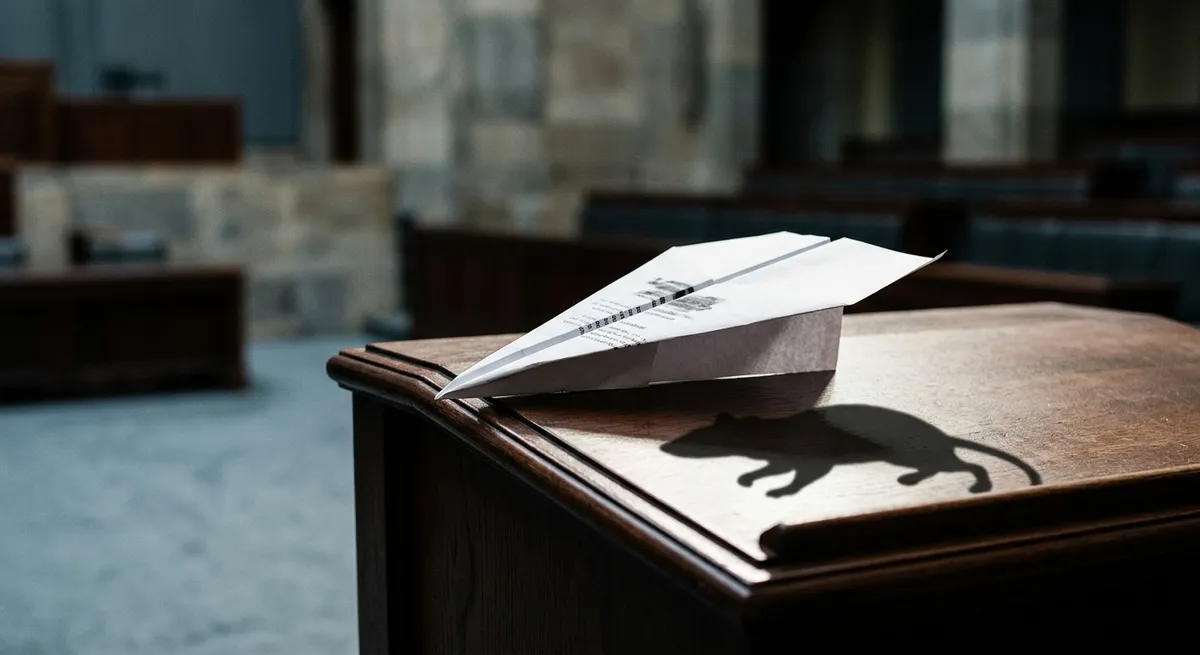
On October 2, 2026, a prominent pro-Palestine MP sparked a whirlwind of controversy by sharing a conspiracy theory regarding a recent plane hijacking incident. By stating, "I think I smell a rat," the MP suggested that there might be more beneath the surface of the event than meets the eye. This bold claim reflects a troubling trend where elected officials risk legitimizing misinformation at a time when accurate discourse is crucial.
The Impact of Public Figures on Misinformation
In an era defined by rapid information sharing, social media has become an unsettling landscape for truth and speculation. With just a tweet or a post, high-profile individuals can amplify conspiracy theories, which can then spread like wildfire, rapidly undermining public trust in established institutions.
The timing of this particular incident bears significance; geopolitical tensions around the world create fertile ground for conspiratorial thinking, and public officials sharing dubious claims only intensifies these dynamics. While engaging in debate about critical issues is vital, the distorted narratives that sprout from such claims can lead to a fracturing of public discourse.
Accountability for Public Figures
So, what responsibility do elected officials have in the information ecosystem?
Given their influence, politicians should ideally prioritize evidence-based reporting over speculation. Yet, many seem to prioritize sensationalism, often for political gain, risking the erosion of public trust. This serves as a sobering reminder that the conversations generated around such conspiracy-laden narratives can spark real-world consequences, reshaping how communities grapple with crises.
The Larger Conversation
As we scrutinize the motivations behind these claims, it becomes essential to dive into the methods by which conspiracy theories gain traction. Both technology and outdated media literacy create an environment ripe for confusion. The gap between substantiated information and unfounded conjecture widens, especially amid crises when the public is desperate for clarity.
Fact-checking becomes an indispensable practice for discerning truth from fiction. In the case of the plane hijacking, credible sources must be prioritized to counter inflammatory rhetoric and conspiracy-laden feels circulating on social platforms. The fundamental goal has to be promoting critical thinking and a commitment to accuracy among both leaders and the public.
Conclusion: Navigating the Misinformation Minefield
The current moment demands that we hold elected officials accountable for the information they disseminate. The words of a politician carry weight, and when they entangle with conspiracy theories, they run the risk of leading entire communities down the rabbit hole of misinformation. If anything, we need more conversations that ground political debates in reality rather than speculation — because, in the end, the truth is out there, but it’s our responsibility to seek it out rather than getting lost in the haze of unverified claims.