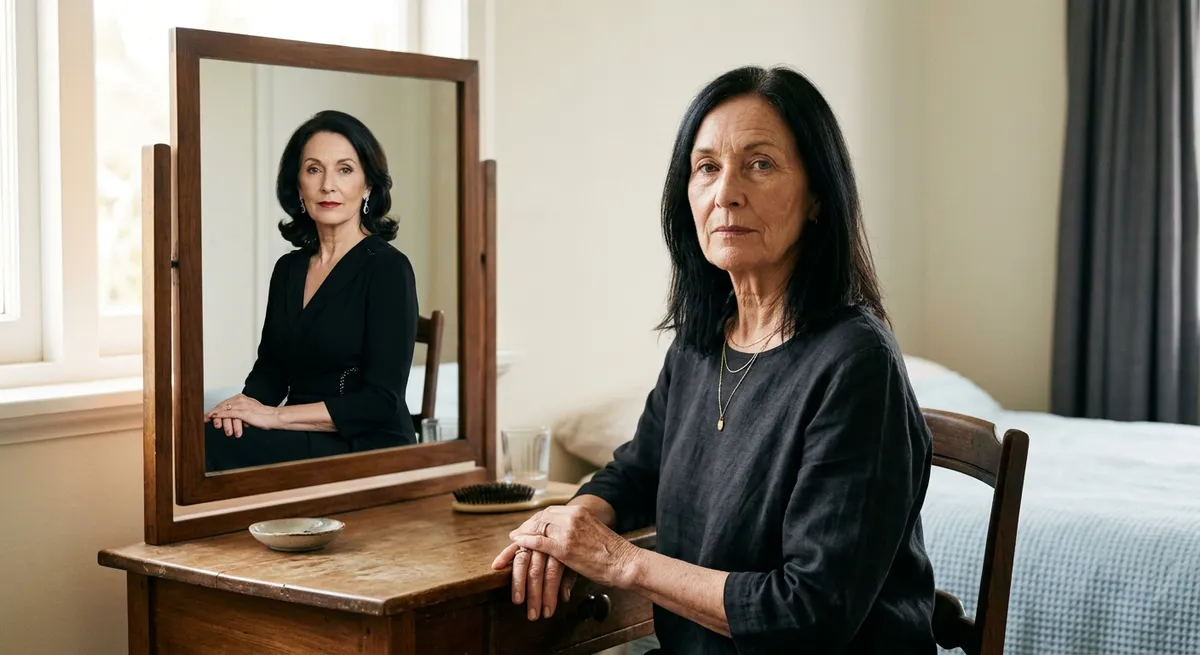
This past Saturday, renowned fashion designer Vera Wang took to Instagram to share a rare, makeup-free selfie while recuperating in bed. At 77, this moment stood in stark contrast to her recent appearances on the red carpet, where she has dazzled in age-defying looks that have captured the admiration of fans and fashionistas alike. This candid snapshot offers a fascinating glimpse into the conversation about aging, beauty standards, and what it means to be authentically oneself in an age-obsessed society.
Vera Wang: Glamour vs. Reality
It’s hard not to wonder how someone like Vera Wang, known for her stunning bridal designs and glamorous fashion events, deals with the relentless expectations of beauty that come with fame. While her recent high-octane looks are remarkable, the authenticity of her makeup-free selfie asks us to reconsider what we value in celebrities. In an era where youth seems to be the gold standard for beauty, Wang's post challenges the skewed narratives that often equate celebrity with eternal youth.
Wang has been vocal about the pressures of the beauty industry and the misconceptions surrounding aging. In various interviews, she has shared her thoughts on the addictive culture of looking perpetually youthful, making it evident that she prefers to emphasize her work over her appearance. Her stance embraces the idea that aging should be celebrated rather than stigmatized, and her candidness adds depth to her public persona.
The Beauty Myth Shattered
When we look at the concept of "aging in reverse," it becomes clear that Wang’s duality—as a glamorous figure in the fashion industry and as a real person dealing with health issues—forces us to confront our own biases about aging. Why do we herald those who defy age standards while ignoring those who reveal their natural selves? In the wake of Wang's post, we can see how society's obsession with flawless beauty often undermines the narratives of older women, forcing them into a corner regarding how they choose to represent themselves.
Furthermore, Wang’s affection for vodka cocktails, which she has previously admitted to enjoying, highlights another contradiction. The juxtaposition of indulgence and wellness serves to complicate the simplistic narratives often projected onto women in media. One can have their cake and eat it too, right?
Social Media’s Role in Ageism
Wang's selfie serves as a potent reminder that social media can either reinforce or disrupt harmful stereotypes surrounding aging. As fans and followers flock to comment on her authenticity, it underlines a growing appreciation for vulnerability in a world that often feels polished and filtered beyond recognition. The expansive dialogue prompted by her candid photograph provides the opportunity for creators to dive deep into how beauty standards affect older women and why it matters.
At the heart of this reckoning is a simple question: why should beauty be reserved for the young? Wang’s public stance, combined with her recent selfie, starkly contrasts the often superficial standards set by Hollywood.
Conclusion: A Defiant Stand Against Ageism
So, what can we take away from Vera Wang’s makeup-free selfie? Namely, that authenticity in self-presentation, particularly among older women in the fashion realm, is worthy of celebration rather than criticism. Her post not only humanizes the glamorous image she often portrays but also evokes a broader conversation about ageism and the refreshing embrace of natural beauty.
As more public figures opt for transparency over the cosmetics of perfection, we edge closer to a culture that values what’s real over what’s expected, making room for the beauty that comes with age. Wang’s unapologetic selfie stands as a testament to that shift, daring us all to embrace our reality, wrinkles and all.