
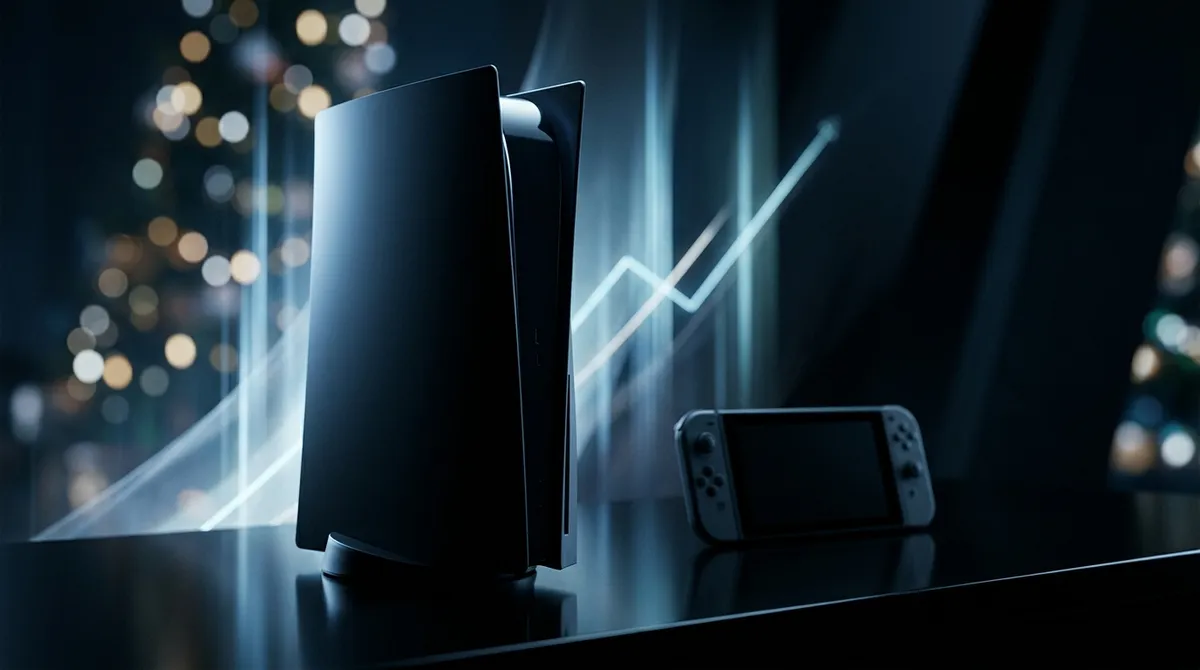
The gaming industry witnessed a remarkable shift during the recent holiday season, with the PlayStation 5 (PS5) overtaking the Nintendo Switch in sales. This unexpected development highlights Sony's successful strategy and the growing demand for next-generation consoles. As the gaming landscape evolves, understanding these market dynamics becomes crucial for consumers and industry analysts alike.
PS5's Impressive Market Performance
Sony's PlayStation 5 has been a standout performer in the gaming console market, particularly evident during the holiday season. The console's ability to outsell its competitors, including Nintendo's popular Switch, underscores a significant leap in consumer preference. This shift is attributed to Sony's robust marketing campaigns and the continued appeal of its exclusive game titles, which resonate well with gamers worldwide.
Factors Driving PS5 Sales
Several elements have contributed to the PS5's sales surge. One critical factor is Sony's strategic approach to supply chain management, which ensured a steady flow of consoles to meet holiday demand. Additionally, the PS5's advanced features, including superior graphics and faster load times, have captivated tech-savvy gamers seeking an enhanced gaming experience.
The release of highly anticipated game titles exclusive to the PlayStation platform has also played a significant role in driving sales. Games such as "Demon's Souls" and "Ratchet & Clank: Rift Apart" have attracted a large audience, eager to experience these titles on the latest hardware.
Comparing PS5 and Nintendo Switch
While the Nintendo Switch has enjoyed a strong market presence, the PS5's recent success highlights shifting consumer priorities. The Switch's portability and diverse game library have been its primary selling points. However, as gaming technology advances, many players are drawn to the PS5's cutting-edge capabilities and immersive gameplay.
Despite these differences, both consoles cater to distinct segments of the gaming community. The Switch remains a popular choice for family-friendly and casual gaming, while the PS5 appeals to hardcore gamers and tech enthusiasts.
Implications for the Gaming Market
The recent sales figures suggest evolving trends in the gaming industry. As technology continues to advance, consumers are increasingly prioritizing performance and exclusive content. This shift is likely to influence future console development, with manufacturers focusing on enhancing their products' technical specifications and game offerings.
Moreover, the competition between Sony and Nintendo encourages innovation, ultimately benefiting consumers with a wider array of gaming options. As both companies strive to capture market share, gamers can expect continued improvements in console design and game availability.
Future Prospects for Sony and Nintendo
Looking ahead, both Sony and Nintendo have promising prospects in the gaming industry. Sony's continued focus on expanding its game library and enhancing console features positions it well for future growth. Meanwhile, Nintendo's commitment to innovation and its loyal fan base ensure its enduring presence in the market.
As the industry evolves, both companies must adapt to changing consumer preferences and technological advancements. By doing so, they can continue to thrive and deliver exceptional gaming experiences to their customers.
Conclusion
The recent holiday season has highlighted significant changes in the gaming console market, with the PS5 outperforming the Nintendo Switch in sales. This development underscores the importance of technological innovation and strategic marketing in the industry. As Sony and Nintendo continue to compete, gamers can look forward to an exciting future filled with new possibilities and advancements.