
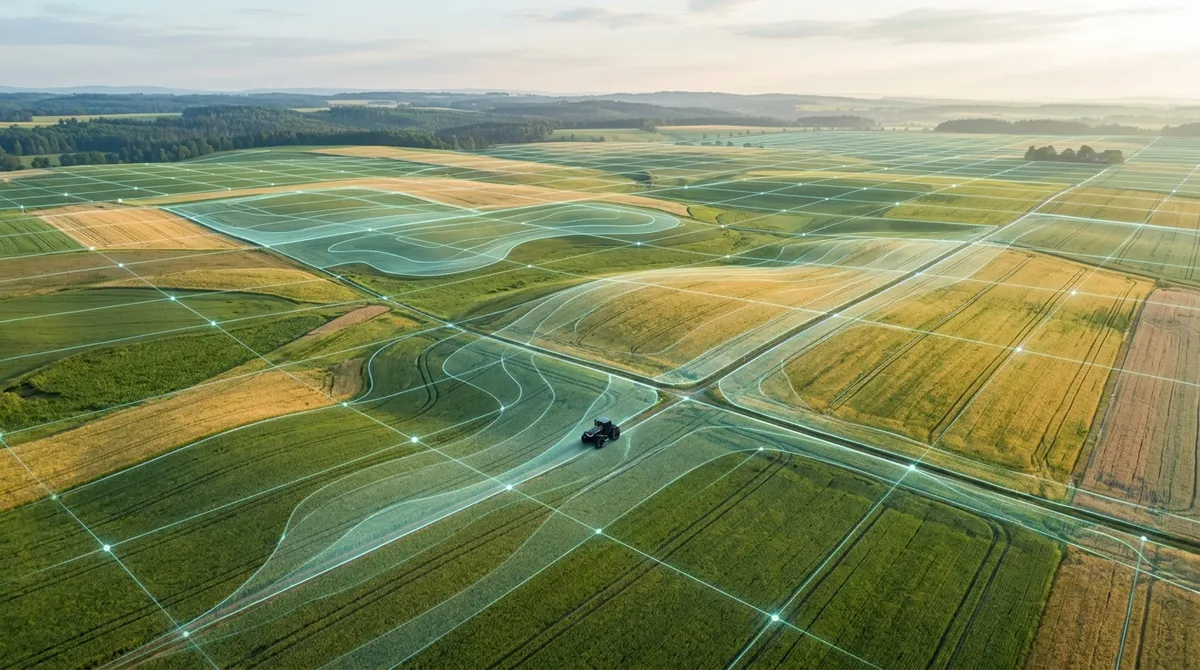
AI Takes Root in Agriculture
Researchers at the University of Missouri are flipping the script on traditional farming methods by harnessing the power of artificial intelligence (AI) to revolutionize seeding practices for corn and soybeans. In their recent study, which delves into variable-rate seeding, they're not just testing the waters — they’ve plunged into intelligent, data-driven farming that could change the agricultural landscape forever.
Rather than uniformly applying seed across an entire field like the old guard, AI allows farmers to tailor planting rates to specific zones within a field. This shift has the potential to increase efficiency and reduce waste, a game-changer for an industry facing increasingly tight margins due to climate variability and rising input costs.
Why Corn Thrives Under AI’s Watchful Eye
So, why are researchers deriving more success from AI in corn than in soybeans? The answer lies in the adaptability of crops to variable weather patterns. Corn, with its stable growing conditions, lends itself easily to precision seeding methodologies. The study suggests it could emerge as a strong candidate for AI-guided precision planting in the near term. In contrast, soybeans bring their own brand of unpredictability, often influenced by ever-changing climatic factors.
The implications are significant. Farmers are constantly seeking ways to cut input costs while simultaneously boosting yields. As they embrace AI technology, they can move towards a model of “farming smarter, not harder.” This isn’t just about increasing seed count — it’s about thoughtful, calculated planting that maximizes the return on investment for every seed.
The Future of Farming
AI-driven agriculture is transforming conventional wisdom from “more seeds equals more yield” to a nuanced understanding that factors in data from sensors, weather patterns, and soil health. The pressure to enhance crop productivity while minimizing environmental runoff is immense, and here is where AI steps in to offer solutions.
By employing variable-rate planting, farmers can apply the right amount of seeds, fertilizers, and pesticides to specific areas of their fields based on geospatial data. Essentially, it channels funds into areas with the highest profit potential, ensuring smarter farming that not only aims to yield more but also respects nature.
A Climate-Savvy Approach
As agriculture faces greater scrutiny amid climate change concerns, adopting AI for precision agriculture could serve as a climate-saving tool. Instead of blanketing the land with chemicals and seeds, AI encourages a more efficient and responsible approach, paving the way for sustainable practices that impress both consumers and regulators alike.
In an age when we are all looking for ways to champion sustainability, AI can guide farmers toward precision planting that preserves biodiversity and decreases reliance on chemical inputs. This is critical not only for the farm’s bottom line but also for preserving the earth’s ecosystems.
Conclusion: From Hype to Reality
While it may have seemed like a distant fantasy relegated to Silicon Valley, AI is starting to find its footing in the real world, and agriculture is reaping the benefits. With its promise of smarter, data-driven decision-making, AI is well on its way to reshaping not just how farmers operate, but how we perceive food production in a rapidly changing environment.
As this technology continues to evolve, we eagerly await the next chapter of precision agriculture — one where every farmer becomes a data-driven steward of the land, crafting a sustainable and prosperous future for food production.