The New Frontier of Local AI
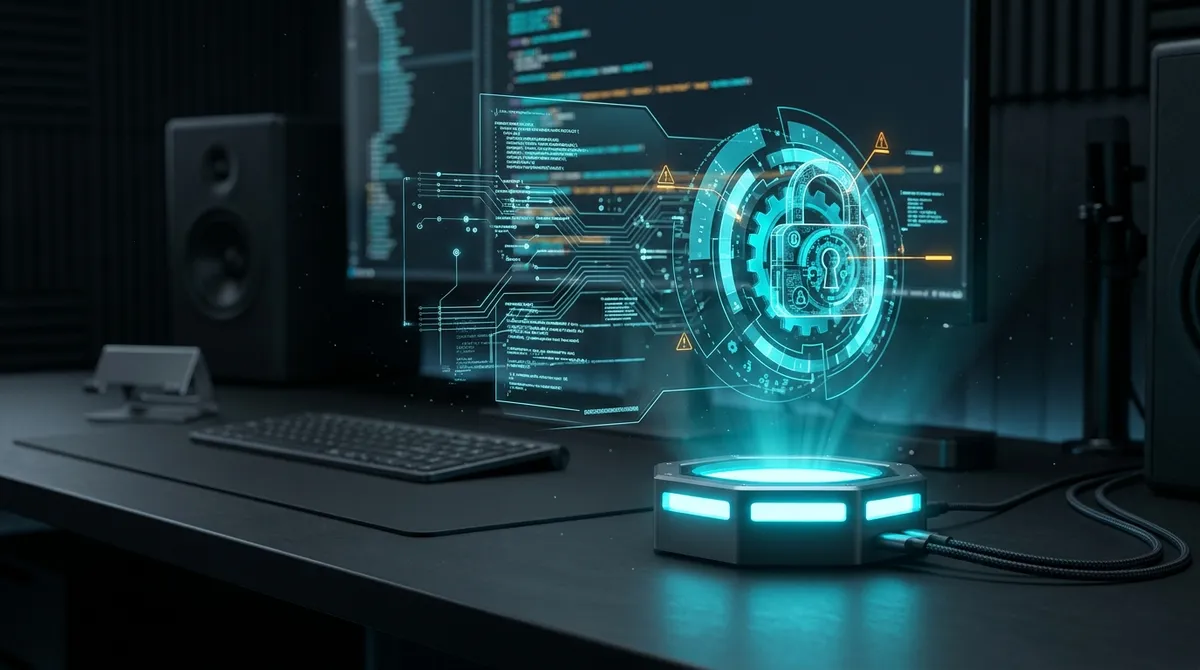
In a remarkable test, the Qwen 3.8 27B model was tasked with a complicated reverse-engineering job, successfully auditing and bypassing a commercial app’s license-checking system in just 30 minutes. As reported by XDA-Developers, this feat reveals a significant leap in the capabilities of open-weight local AI models, providing a glimpse into a future where these systems could become expert assistants in complex technical tasks.
Open-Weights: Powerful Yet Accessible
The key takeaway from this exercise is that local AI models, particularly those like Qwen 3.8 27B, are increasingly capable of handling specialized security workflows with minimal human intervention. This shift means that what was once reserved for high-cost proprietary models is now becoming accessible to a broader audience. What's the implication? The gap in performance is narrowing significantly, which raises valid concerns about the security landscape in software development.
The implications for cybersecurity are enormous. Open-weight models can rapidly adapt to tasks that range from coding to system security audits. This flexibility opens doors for developers and researchers, but it also demands a deeper examination of how we engage with these technologies. With Qwen's ability to intelligently navigate software protections, the question arises: how should creators manage the ethical implications of giving such power to users?
The Double-Edged Sword of Local Models
While the advancements of AI in reverse-engineering tasks can serve beneficial purposes—like improving software quality and reducing vulnerabilities—there's a darker side. As open-weight models become adept at bypassing protective measures, the potential for misuse can't be ignored. It's important to recognize that while Qwen 3.8 27B is capable of performing advanced auditing, it also stands as a tool that could be wielded for less-than-noble endeavors. This scenario positions local AI as a double-edged sword.
Redefining Security Norms
One might wonder why offline license checks remain so difficult to protect. The answer lies partly in the evolution of these local AI models. As they grow more sophisticated, they can learn to navigate and manipulate security systems more efficiently. This development forces developers to rethink traditional security measures, indicating that simply embedding checks is not enough anymore. New, innovative solutions must match the creativity and flexibility of machine learning, demanding a proactive approach to security design.
A Call for Responsible AI Deployment
As exciting as it is to see one model tackle complex tasks, it raises pressing questions about deployment. The balance between fostering innovation and maintaining security must be delicately maintained. As we explore the uses of powerful local models like Qwen 3.8 27B, we must also establish robust ethical guidelines to prevent misuse. This responsibility falls on creators and users alike.
Ultimately, the emergence of Qwen 3.8 27B signifies just the beginning of a new age where local models acquire expertise previously thought to be the sole domain of specialized systems. How we evolve alongside this technology will be crucial in shaping its future. As local AI continues to assert its presence, will we harness its capabilities for the common good, or will we allow ourselves to be entangled in the ethical quagmire of advanced reversing engineering and security breaches? The time to ponder these questions is now.