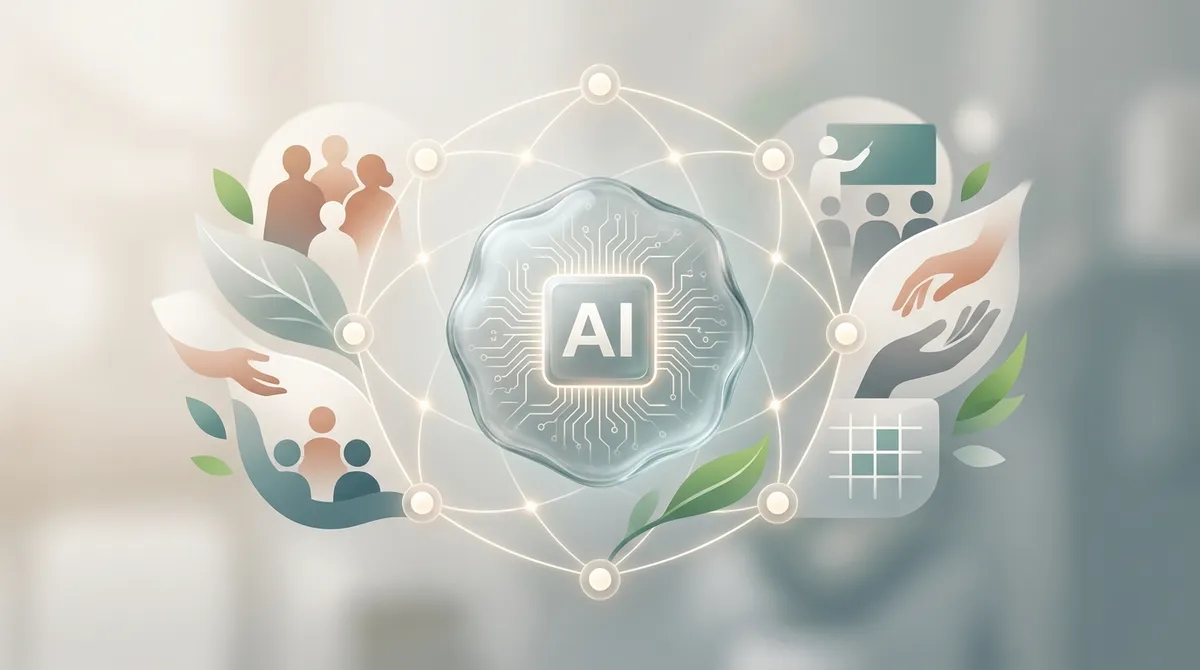

In the ever-evolving landscape of technology, artificial intelligence continues to revolutionize the way we learn and interact with information. One of the most intriguing applications of AI in education is the use of ChatGPT in study mode. This innovative tool is transforming how individuals approach learning by focusing on engagement and active knowledge acquisition rather than simply providing answers.
ChatGPT's study mode is designed to enhance the learning experience by encouraging users to actively engage with the material. Unlike traditional methods where answers are directly given, this mode promotes critical thinking and problem-solving skills. It serves as a digital companion that guides learners through a process of discovery, fostering a deeper understanding of the subject matter.
Encouraging Active Learning
Active learning is at the core of ChatGPT's study mode. By prompting users with questions and offering hints instead of outright answers, it stimulates cognitive processes that are essential for retaining information. This method mirrors the Socratic method, where learners are encouraged to think critically and develop their own conclusions through guided inquiry.
Such an approach not only aids in information retention but also boosts confidence in learners. When students arrive at answers through their own reasoning, they are more likely to remember and apply the knowledge effectively in real-world scenarios.
Enhancing Critical Thinking Skills
The ability to think critically is a valuable skill in today's fast-paced world. ChatGPT's study mode challenges users to analyze and evaluate information, leading to improved critical thinking skills. By presenting complex problems and encouraging users to explore various solutions, it cultivates an environment where analytical skills can flourish.
This method also encourages creativity and innovation. Learners are not confined to a single path to an answer; instead, they are free to explore multiple avenues, thereby enhancing their problem-solving abilities.
Interactive Learning Experience
ChatGPT provides an interactive learning experience that is both engaging and effective. The conversational nature of the tool makes it more relatable and appealing, especially to younger learners who are accustomed to digital interactions. This interactive aspect makes learning less intimidating and more enjoyable.
Moreover, the tool adapts to the user's pace and learning style, offering a personalized education experience. By tailoring its responses to individual needs, it ensures that learners are neither overwhelmed nor under-challenged, maintaining an optimal learning curve.
Benefits for Educators
While ChatGPT's study mode is designed with learners in mind, educators also stand to benefit from its implementation. It acts as a supplementary resource that can reinforce classroom learning. Teachers can utilize this tool to assign interactive homework or as a means to encourage students to explore subjects beyond the curriculum.
Furthermore, it provides educators with insights into students' problem-solving processes, allowing them to identify areas where additional support may be required. This data-driven approach can lead to more effective teaching strategies and improved educational outcomes.
Challenges and Considerations
Despite its numerous advantages, using AI in education comes with certain challenges. Ensuring that the tool is used ethically and responsibly is paramount. There is a need for guidelines to prevent misuse and to address privacy concerns, as AI systems collect and process user data.
Additionally, while ChatGPT is a powerful learning aid, it should not replace human interaction in education. The role of educators in providing guidance, support, and emotional connection remains irreplaceable. AI should be viewed as a complementary tool that enhances traditional teaching methods.
Conclusion
As AI continues to integrate into various sectors, its application in education through tools like ChatGPT's study mode offers promising potential. By encouraging active learning, enhancing critical thinking skills, and providing an interactive experience, it represents a significant step forward in educational technology. However, balancing its use with traditional teaching and addressing ethical considerations will be crucial in maximizing its benefits. As we move forward, the synergy between AI and education could redefine how knowledge is acquired and applied.