
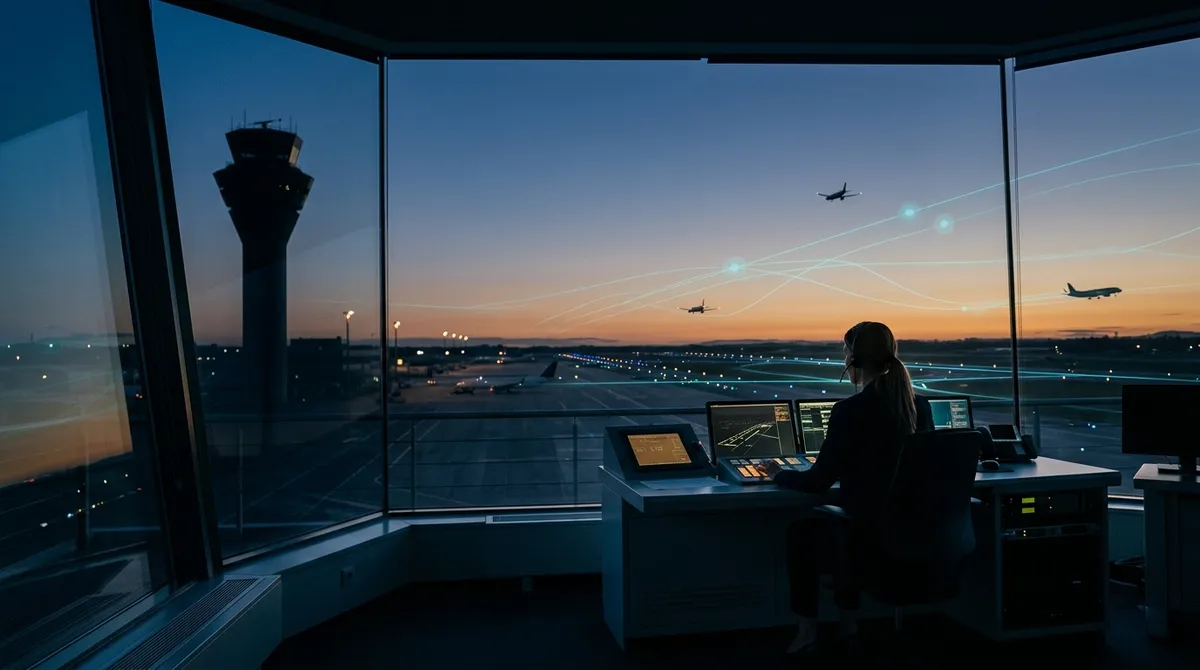
TL;DR: The FAA is partnering with AI firms like Palantir to improve air traffic control safety. While AI technologies promise to reduce runway incidents, experts warn about the importance of human oversight in high-stakes situations.
Introduction
As technology surges forward, the aviation industry finds itself at a critical crossroads. The Federal Aviation Administration (FAA) has recently announced its partnership with AI firms, most notably Palantir, to revolutionize air traffic control systems. But what does this mean for aviation safety?
In a landscape where runway incidents can lead to disastrous consequences, the introduction of AI aims to enhance the safety infrastructure. However, the conversation surrounding this technology isn't just about innovation; it’s about balancing trust in AI with the necessity for human oversight.
The Promise of AI in Aviation
AI technologies come bundled with potential benefits, especially when applied to complex systems like air traffic control. Here’s a quick look at how AI can transform aviation safety:
Advanced Monitoring and Alerts
AI tools can analyze real-time data from multiple sources, including weather conditions, aircraft statuses, and runway activity. By processing this information faster than any human could, AI can provide alerts about potential hazards, enabling preemptive action to mitigate risks.
Predictive Analysis
One of the most noteworthy features of AI is its ability to conduct predictive analysis. By examining historical data concerning runway incidents and other safety metrics, AI can forecast potential problems before they materialize. This could play a key role in preventing collisions and enhancing overall safety protocols in airports.
The Risks Involved
While the advantages of implementing AI in air traffic control are tantalizing, it’s equally important to acknowledge the potential pitfalls.
Reliance on Algorithms
The biggest concern is the risk of over-reliance on AI algorithms. Machines, no matter how advanced, can make errors based on data inputs or unforeseen circumstances. Imagine an AI misreading a sensor's data—this could lead to potentially catastrophic decisions if human oversight isn't involved.
The Human Element
Underlining the need for human oversight is a central theme in discussions about AI in aviation. Human controllers offer intuition, experience, and the ability to assess complex situations in ways that AI has yet to master. The challenge lies in defining the boundaries of AI engagement: Should AI merely assist human controllers, or could it eventually replace some of their decision-making roles?
The Role of Palantir
A focal point of the FAA's AI strategy is Palantir, a technology firm that specializes in data analytics. With their sophisticated platforms, they will play a vital role in developing tools that enhance situational awareness and decision-making for air traffic controllers. The collaboration serves as a noteworthy case study on how private technology companies can impact public safety systems and traditional industries.
The Future of Aviation Safety
Looking ahead, the FAA's initiative to integrate AI into air traffic control raises critical questions about automation, public safety, and trust. Here are some key considerations:
- Balancing Technology and Human Insight: Optimizing safety requires a balance between leveraging AI’s fast data analysis capabilities and ensuring human controllers are involved in the decision-making process.
- Regulatory Approvers: With so much at stake, AI's role in air traffic control will likely need stringent regulatory frameworks. Industry stakeholders, including the FAA, must ensure that AI systems are reliable, transparent, and secure.
- Public Acceptance: As stakeholders work to implement AI-driven solutions, gaining the public's trust in these technologies will be crucial. Transparency in how AI tools function and their decision-making processes will help reassure travelers and aviation professionals alike.
Conclusion
As the FAA embarks on this ambitious project, the partnership with AI firms like Palantir is a significant step toward modernizing air traffic control and enhancing aviation safety. While the potential of AI to improve runway incident rates is promising, it remains essential to prioritize human oversight in this high-stakes arena. Technology can be a powerful ally, but when it comes to safety, the human touch maintains an invaluable role.
Navigating the future of aviation safety with AI isn’t just about adopting new technologies; it’s about forging a partnership that balances innovation with responsibility.