
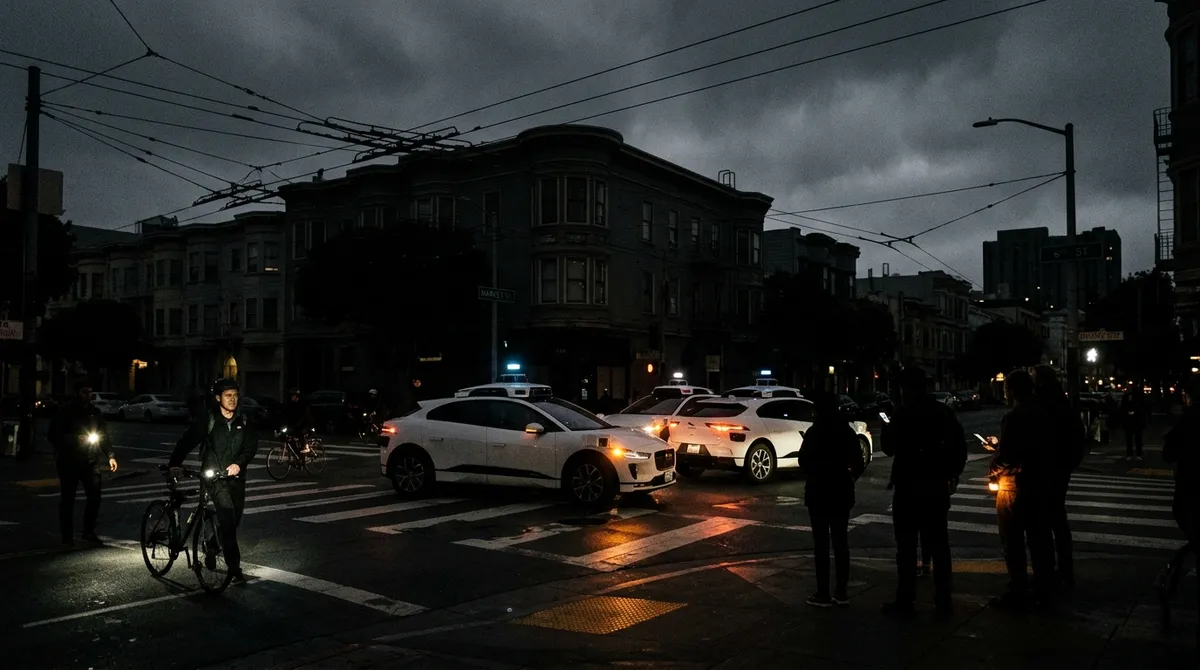
Waymo's autonomous vehicles have been making waves in San Francisco's bustling streets, showcasing the future of transportation. Despite their impressive technology, these self-driving cars recently faced an unexpected challenge—a city-wide power outage that tested their capabilities in unforeseen circumstances.
San Francisco's dynamic environment provides a unique testing ground for Waymo's fleet of autonomous vehicles. These cars are equipped with advanced sensors and software that enable them to navigate complex urban landscapes. However, the recent power outage highlighted the limitations and adaptability of autonomous technology in real-world scenarios.
The Impact of Power Outages on Autonomous Vehicles
Power outages can create significant disruptions in urban infrastructure, affecting everything from traffic lights to public transportation. For autonomous vehicles, these outages present unique challenges. Without functioning traffic signals, self-driving cars must rely on onboard systems to interpret traffic patterns and ensure safe navigation.
During the outage, Waymo's vehicles demonstrated their ability to navigate these unexpected conditions. The cars were able to safely stop and proceed at intersections without functional traffic lights, thanks to their sophisticated algorithms and sensor systems. This incident underscored the importance of robust fail-safes in autonomous vehicle technology.
Waymo's Response and Adaptation
In response to the power outage, Waymo quickly assessed the situation and adapted its operations accordingly. The company's engineers monitored the fleet in real-time, ensuring that each vehicle continued to operate safely. This proactive approach highlights Waymo's commitment to safety and innovation in the autonomous vehicle industry.
Waymo's ability to maintain service during the outage demonstrated the resilience of its technology. The company continues to refine its systems to better handle similar situations in the future. This incident also provided valuable data that will inform future developments in autonomous vehicle technology.
Future Implications for Autonomous Technology
The recent power outage in San Francisco raises important questions about the future of autonomous vehicles in urban environments. As cities become increasingly reliant on technology, the need for resilient infrastructure becomes more critical. This incident serves as a reminder of the potential vulnerabilities that come with technological advancements.
Waymo's experience during the power outage illustrates the importance of designing autonomous systems that can operate independently of external infrastructure. By doing so, companies can ensure that their vehicles remain operational even in challenging conditions. This capability is essential for the widespread adoption of autonomous technology in diverse environments.
Enhancing Public Trust in Autonomous Vehicles
Public perception is a crucial factor in the adoption of autonomous vehicles. Events like the San Francisco power outage can influence public trust in this technology. Waymo's successful handling of the situation helps build confidence in the reliability and safety of self-driving cars.
By transparently sharing information about their technology and incident response, companies like Waymo can foster public understanding and acceptance of autonomous vehicles. This openness is key to overcoming skepticism and encouraging wider adoption of this transformative technology.
Conclusion
The San Francisco power outage provided Waymo with an opportunity to test its autonomous vehicles under challenging conditions. The incident highlighted the resilience and adaptability of Waymo's technology, reinforcing its position as a leader in the autonomous vehicle industry. As cities continue to evolve, the lessons learned from such events will play a critical role in shaping the future of transportation.