
Disease Emerges as Underestimated Threat to Snake Populations
While habitat destruction and human persecution have long been recognized as primary threats to snake populations worldwide, new research suggests disease may be playing a more significant role in snake conservation challenges than previously understood. A comprehensive study of wild snakes in the southeastern United States has revealed alarming patterns of pathogen vulnerability, particularly among rattlesnake species.
Researchers surveyed more than 500 wild snakes across the southeastern US, uncovering high rates of various pathogens throughout snake populations. The findings paint a concerning picture of disease burden in these already vulnerable reptile communities.
Rattlesnakes Show Heightened Disease Vulnerability
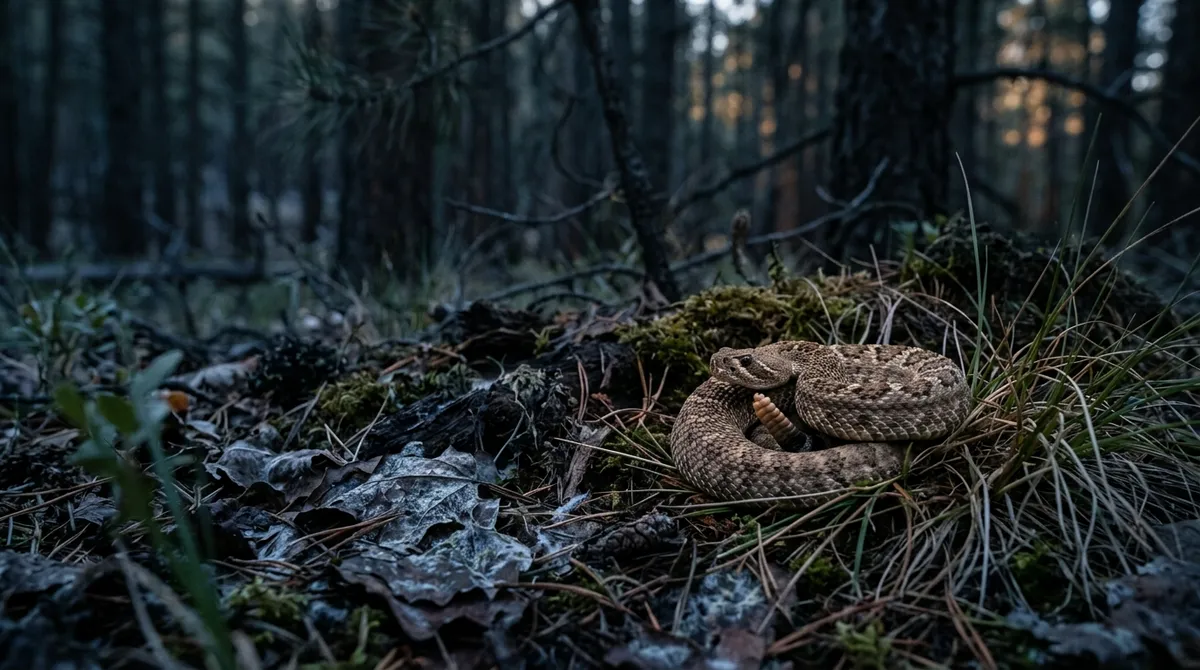
According to the research, rattlesnakes emerged as especially susceptible to two specific health threats: snake fungal disease and an invasive parasitic lungworm. This vulnerability adds another layer of concern for species already facing extinction pressure from multiple environmental factors.
The study's focus on coinfections—where animals carry multiple pathogens simultaneously—reveals the complex nature of disease dynamics in wild snake populations. These multiple infections can compound health impacts, potentially weakening immune systems and reducing survival rates in ways that single pathogen studies might miss.
Understanding Snake Fungal Disease
Snake fungal disease represents a significant emerging threat to reptile populations. While the research summary doesn't detail the specific mechanisms of this fungal infection, the study's findings suggest it poses particular risks to rattlesnake species compared to other snake varieties surveyed.
The presence of invasive parasitic lungworms adds another dimension to the disease landscape. Invasive species often introduce novel pathogens to ecosystems where native species lack evolved defenses, potentially creating devastating impacts on local wildlife populations.
Geographic and Species-Specific Disease Patterns
The research emphasizes that geography, species differences, and invasive-host dynamics all play crucial roles in understanding snake disease vulnerability. This suggests that conservation strategies may need to be tailored not just to species, but to specific geographic regions and their unique pathogen landscapes.
These findings have particular relevance as wildlife translocation programs—efforts to move animals between habitats for conservation purposes—become more common. Such programs could inadvertently spread pathogens to new areas or expose relocated animals to novel disease threats.
Reframing Conservation Perspectives
The study offers an opportunity to reframe how we think about snake conservation, particularly for species like rattlesnakes that often face public hostility. Rather than viewing these reptiles as dangerous pests, the research positions them as vulnerable indicators of broader ecosystem health.
Snakes play crucial roles in their ecosystems as both predators and prey, helping control rodent populations and serving as food sources for various wildlife species. Their health status can serve as an early warning system for environmental problems that might eventually affect other species, including humans.
Implications for Wildlife Conservation
As wildlife conservation faces increasing challenges from habitat loss, climate change, and human encroachment, understanding disease dynamics becomes increasingly critical. The research highlights how invasive species, pathogen spillover between species, and wildlife movement programs all intersect to create complex conservation challenges.
For snake populations already under pressure from habitat destruction and direct persecution, disease represents an additional stressor that could tip vulnerable species toward extinction. The findings suggest that effective snake conservation will require not just habitat protection, but also disease monitoring and management strategies.
Looking Forward
The southeastern US study provides valuable baseline data for understanding snake health dynamics, but it also raises questions about disease patterns in other regions and snake species. As researchers continue to investigate these patterns, the findings may inform broader wildlife health monitoring and conservation planning efforts.
For a public often fearful of snakes, this research offers a different perspective: these reptiles are not invulnerable threats, but rather vulnerable components of ecosystems facing multiple pressures. Understanding and addressing their disease challenges may be crucial not just for snake conservation, but for maintaining healthy ecosystems overall.