
The Fuel Security Challenge Australia Faces
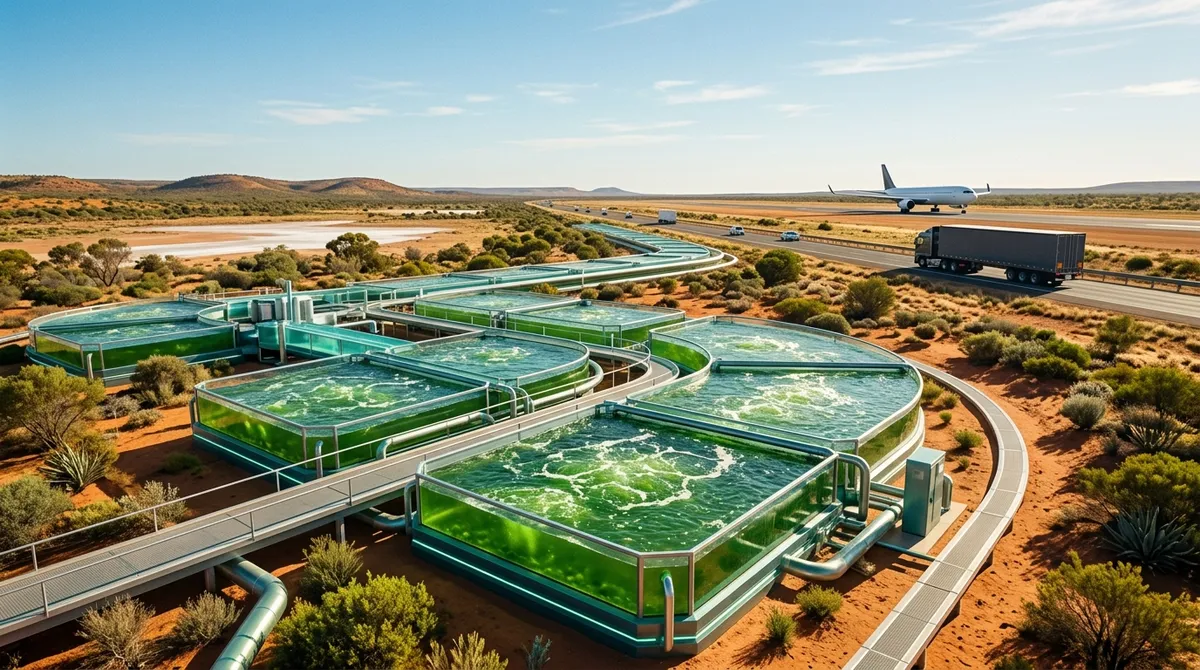
While electric vehicles grab headlines in the clean energy conversation, a quieter revolution could be brewing in Australia's fuel sector. According to reports, Australia imports almost 80% of its liquid fuels, creating a vulnerability that recent global energy shocks have brought into sharp focus. As the country grapples with fuel security concerns, algae-based biofuels are emerging as a potential game-changer for powering trucks, planes, and remote communities.
Unlike the flashy appeal of electric vehicles, algae fuel represents what experts are calling a "quiet climate tech" solution. This technology could prove vital for sectors that can't easily electrify, including aviation, heavy trucking, farming operations, and mining in remote locations.
Why Algae Where Other Biofuels Failed
The biofuel industry has seen its share of disappointments, but algae-based options offer distinct advantages over their crop-based predecessors. According to reports, algae demonstrates superior land efficiency compared to traditional biofuel crops like corn, addressing one of the major criticisms of first-generation biofuels.
The land efficiency factor is crucial. While corn-based ethanol requires vast agricultural areas that could otherwise grow food crops, algae can be cultivated in spaces unsuitable for food production. This addresses the long-standing "food versus fuel" debate that has plagued the biofuel industry.
Additionally, algae cultivation presents an intriguing opportunity for wastewater treatment integration. This dual-purpose approach could help communities manage waste while producing clean fuel, creating a circular economy model that traditional crop-based biofuels can't match.
The Aviation Fuel Opportunity
One of the most promising applications for algae biofuels lies in aviation, where electrification remains technically challenging. According to reports, algae-based fuels show compatibility with existing fuel systems, meaning airlines wouldn't need to retrofit their entire fleets to use these cleaner alternatives.
This compatibility factor sets algae fuels apart from many other alternative energy solutions. Rather than requiring massive infrastructure overhauls, algae-based diesel and aviation fuel could integrate into current distribution and storage systems, potentially accelerating adoption timelines.
Regional Australia as the Testing Ground
Reports suggest that regional Australia could serve as an ideal testing ground for algae fuel development. Remote communities and operations often face higher fuel costs due to transportation logistics, making locally produced algae fuel potentially cost-competitive even in early development stages.
Mining operations, agricultural machinery, and regional aviation services could all benefit from locally produced fuels that reduce both transportation costs and carbon emissions. This creates a unique opportunity for rural areas to become energy producers rather than just consumers.
Emissions and Environmental Trade-offs
The environmental case for algae biofuels extends beyond just land use efficiency. According to reports, algae-based options offer improved emissions profiles compared to conventional fossil fuels and potentially better lifecycle carbon footprints than crop-based alternatives.
This emissions advantage becomes particularly important as governments and industries face increasing pressure to cut carbon output while maintaining operational capabilities. For sectors that can't easily transition to electric alternatives, algae fuels could provide a bridge to lower-carbon operations.
The Comeback Story of Climate Tech
Algae biofuels represent something of a comeback story in the climate technology space. After earlier hype cycles failed to deliver commercial viability, improved cultivation techniques and processing technologies are making algae fuel more economically feasible.
This resurrection comes at a crucial time for Australia's energy independence goals. With global supply chains facing ongoing disruptions and geopolitical tensions affecting fuel markets, domestic production of liquid fuels could provide both economic and security benefits.
Looking Ahead: Scaling the Solution
While algae biofuels show promise, scaling from laboratory success to commercial production remains a significant challenge. The technology needs to prove itself not just technically, but economically against established fossil fuel infrastructure.
However, the convergence of factors—fuel security concerns, emissions reduction pressure, and improved algae cultivation technology—creates a potentially favorable environment for this quiet climate tech solution to finally find its moment.
For Australia, the question isn't just whether algae can fuel planes and trucks, but whether the country can afford not to explore this domestic alternative to imported petroleum products.