
Breakthrough Discovery Changes Conservation Game
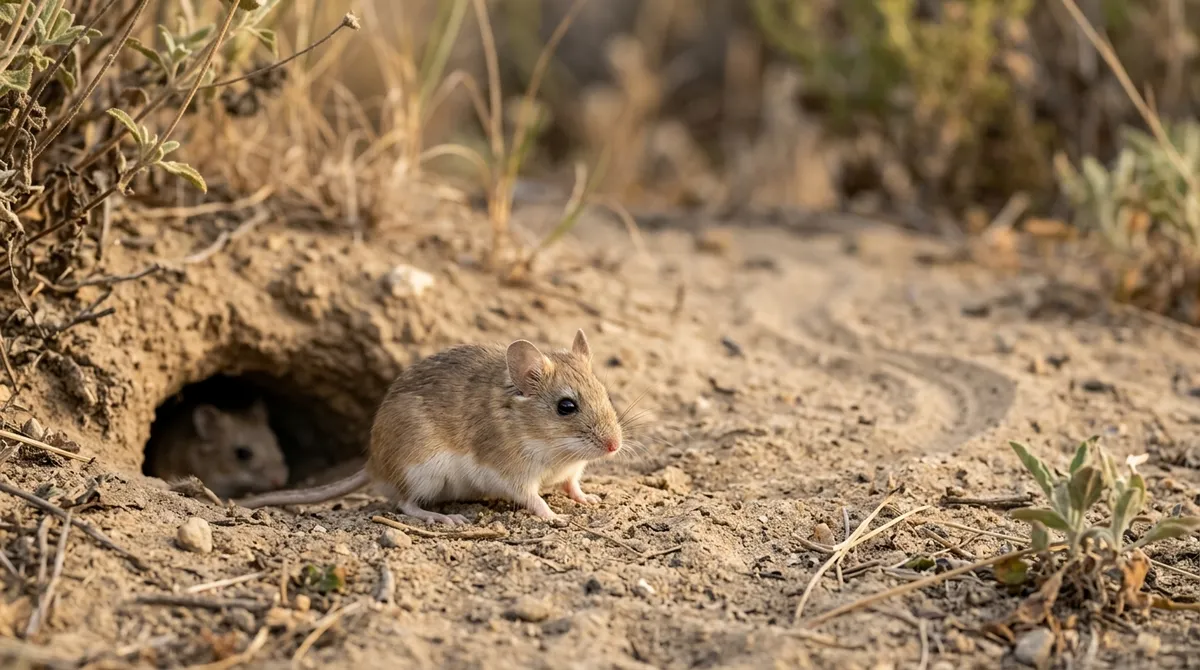
Researchers at San Diego Zoo Wildlife Alliance have made a groundbreaking discovery that could transform how conservationists prepare endangered animals for life in the wild. According to new research, pregnant Pacific pocket mice trained to fear snakes can pass that learned fear directly to their female offspring, marking the first time scientists have documented this type of behavioral inheritance in an endangered mammal.
The findings represent a potential game-changer for conservation breeding programs, which have long struggled with a fundamental challenge: captive-bred animals often lack the predator awareness necessary to survive when released into their natural habitats.
The Science Behind Inherited Fear
The study focused on Pacific pocket mice, one of the most critically endangered mammals in North America. When pregnant females were trained to recognize and fear snakes, their female offspring displayed significantly more vigilant behavior around predators—without ever receiving direct training themselves.
What makes this discovery particularly intriguing is its sex-specific nature. According to reports, only female offspring inherited the fear response, raising new questions about how stress and gender interact in animal behavior. This selective inheritance pattern offers scientists valuable insights into the biological mechanisms underlying maternal learning transmission.
From Individual Training to Maternal Solutions
Traditional conservation approaches require labor-intensive individual training of each animal before release, a process that's both costly and time-consuming. The new research suggests a more efficient alternative: training pregnant mothers instead of their offspring could scale up reintroduction programs while reducing overall costs.
This "maternal training" approach could prove especially valuable for endangered species recovery efforts, where every individual matters and resources are often limited. Rather than training dozens or hundreds of young animals individually, conservationists could focus their efforts on pregnant females and achieve broader impact through inherited behaviors.
The Mystery of Transmission Mechanisms
While the results are promising, scientists still don't fully understand how this behavioral inheritance actually works. According to reports, researchers are exploring three competing hypotheses to explain the transmission mechanism:
- Prenatal hormones: Stress hormones from fearful mothers might influence fetal brain development
- Maternal behavior: Trained mothers could unconsciously teach fear responses through their actions
- Odor cues: Chemical signals might communicate danger information from mother to offspring
Unraveling these mechanisms will be crucial for applying this discovery to other endangered species and optimizing training protocols.
Real-World Impact for Pacific Pocket Mice
The Pacific pocket mouse represents one of conservation's most urgent challenges. This critically endangered species teeters on the brink of extinction, making every breakthrough in survival strategies potentially crucial for the species' future.
Currently, conservation programs raise young Pacific pocket mice in captivity before releasing them as adults. While this approach ensures high survival rates during development, it often leaves animals unprepared for the predator-rich environment they'll face in the wild.
The new maternal training approach could significantly improve post-release survival rates by ensuring female mice enter the wild with inherited predator awareness, potentially boosting the species' recovery prospects.
Broader Conservation Implications
The implications extend far beyond Pacific pocket mice. According to reports, this discovery could influence conservation strategies for other endangered mammals facing similar reintroduction challenges.
Many captive breeding programs struggle with the same fundamental problem: how to prepare sheltered animals for the dangers of wild environments. If maternal fear transmission proves effective across different species, it could become a standard tool in the conservation toolkit.
The research also highlights the sophisticated ways animals can adapt to environmental challenges through non-genetic inheritance mechanisms, adding another layer to our understanding of how species survive and evolve.
Looking Forward
While more research is needed to fully understand and optimize this approach, the initial findings offer genuine hope for endangered species conservation. The ability to efficiently transfer survival skills from trained mothers to their offspring could help bridge the gap between captive breeding success and wild survival rates.
For Pacific pocket mice and potentially many other endangered species, this discovery represents a promising step toward more effective conservation strategies that work with, rather than against, natural biological processes.