
The Surprising Science Behind Mosquito Learning
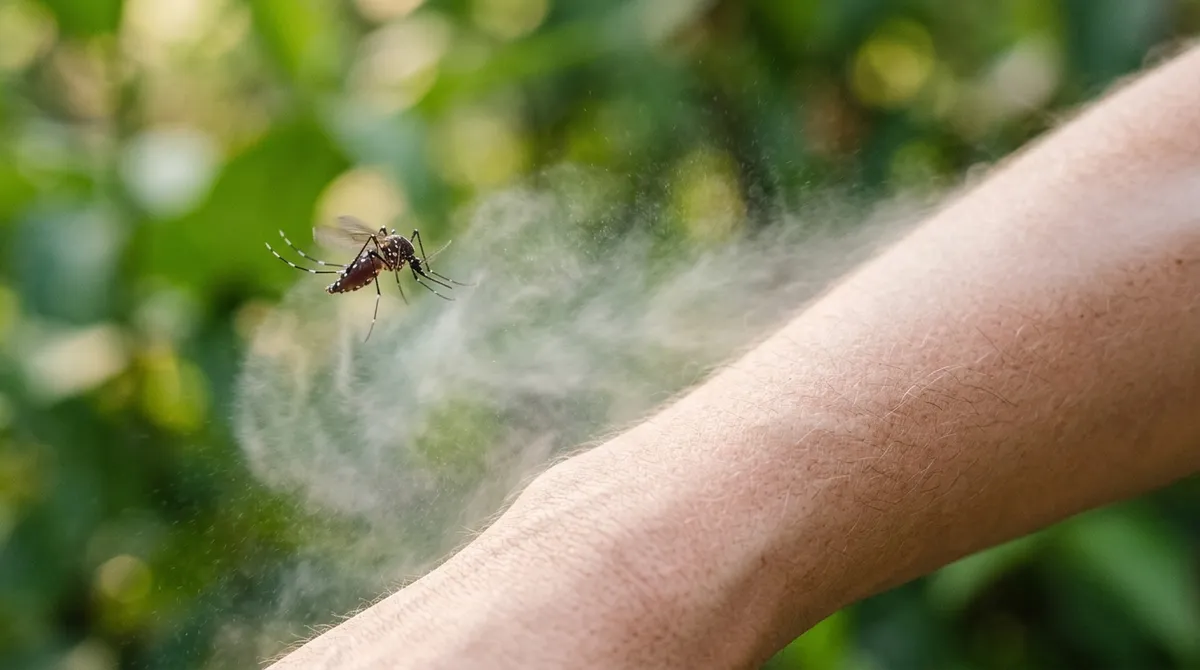
A groundbreaking new study has revealed an unexpected twist in the ongoing battle against mosquitoes: these tiny insects can actually learn to associate the smell of DEET with feeding opportunities. According to reports, researchers found that Aedes aegypti mosquitoes—the species responsible for transmitting dengue, Zika, and yellow fever—can be trained to approach DEET-treated skin under certain conditions.
The research focused on how mosquitoes respond to DEET, the most widely used insect repellent worldwide. While this might sound alarming, the key finding isn't that DEET has stopped working, but rather that mosquitoes are more adaptable than previously understood.
What the Research Actually Shows
The study demonstrates that mosquitoes can form associations between DEET's scent and successful feeding experiences. When exposed to low concentrations of DEET on human skin, trained mosquitoes showed increased likelihood of approaching treated areas compared to untrained mosquitoes.
This behavior highlights the sophisticated learning capabilities of these disease-carrying insects, but it doesn't mean your bug spray has become useless overnight. The research emphasizes that proper application and reapplication of DEET products remains crucial for effective protection.
Why This Matters for Public Health
Mosquito-borne diseases continue to pose a major global health threat, with growing concerns about expanding mosquito populations and increasing insecticide resistance. According to reports, as more people travel to or live in mosquito-heavy regions, understanding how repellents work in real-world conditions becomes increasingly important.
The timing of this research is particularly relevant as climate change expands mosquito habitats and international travel exposes more people to disease-carrying species like Aedes aegypti.
The Reapplication Factor
The study's most practical implication centers on the importance of following manufacturer guidelines for DEET reapplication. As repellent levels fade on the skin, mosquitoes may become more likely to approach and potentially bite. This underscores that consistent reapplication isn't just a suggestion—it's a critical component of effective protection.
Researchers noted that the learning behavior was observed specifically when DEET concentrations were low, suggesting that maintaining proper repellent levels through regular reapplication disrupts the mosquitoes' ability to form these feeding associations.
Practical Protection Strategies
While the research reveals new insights into mosquito behavior, it reinforces rather than contradicts established protection practices. The key takeaway is that DEET remains effective when used properly, but users should be more diligent about reapplication timing.
The study supports the importance of reading and following product labels, which typically recommend reapplication every 4-6 hours depending on DEET concentration and environmental conditions. Higher concentration DEET products generally provide longer-lasting protection.
Beyond DEET: Alternative Options
The research also highlights the value of understanding different repellent options. While the study focused on DEET, other EPA-approved repellents like picaridin offer alternative protection mechanisms that may respond differently to mosquito learning behaviors.
For travelers heading to tropical destinations or areas with high mosquito-borne disease risk, understanding these options becomes even more critical. The study's findings suggest that varying repellent types and maintaining proper application schedules could be important strategies.
Looking Forward
This research opens new questions about mosquito adaptation and the long-term effectiveness of current control strategies. While DEET continues to provide reliable protection when used correctly, the study emphasizes that mosquito control requires ongoing scientific understanding and adaptive approaches.
The findings serve as a reminder that in the arms race between humans and disease-carrying mosquitoes, these insects continue to surprise researchers with their adaptability. However, proper use of proven repellents, combined with other protection measures like eliminating standing water and using physical barriers, remains our best defense against mosquito-borne diseases.