
Historic Milestone for Radio Astronomy
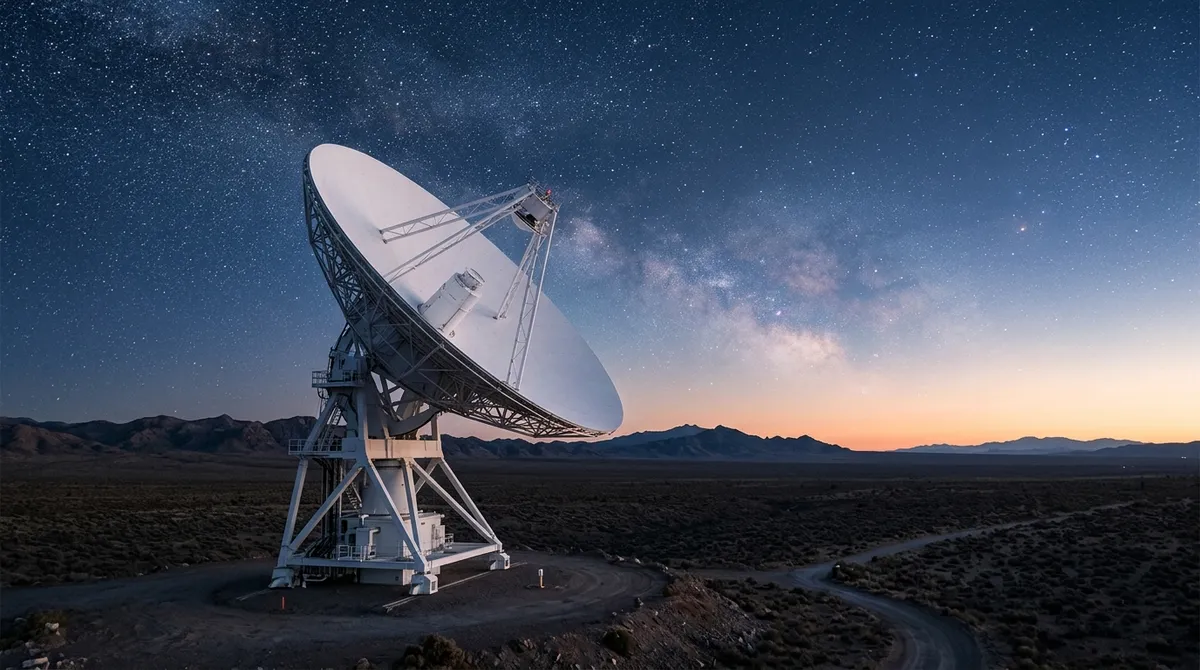
The next-generation Very Large Array (ngVLA) prototype antenna has successfully achieved "first light," marking a pivotal moment in the evolution of radio astronomy. According to reports, this milestone represents the transition from construction phase to astronomical testing, validating the engineering design for what will become a revolutionary 244-antenna array.
The prototype has demonstrated its ability to make independent observations while collaborating seamlessly with the existing NSF VLA in New Mexico. This engineering feat proves that a single new antenna can work as part of a unified system alongside the 27 existing antennas, setting the foundation for the full array's eventual deployment.
A Leap Forward in Sensitivity
The ngVLA promises to deliver capabilities that dwarf current radio telescope technology. According to reports, the completed array will be 10 times more sensitive than existing radio telescopes, opening new frontiers in astronomical observation and discovery potential.
This enhanced sensitivity and resolution will enable scientists to probe cosmic mysteries that remain beyond the reach of current instruments. The improved capabilities are expected to advance our understanding of black holes, galaxies, and other celestial phenomena that have puzzled astronomers for decades.
Modernizing Aging Infrastructure
The ngVLA project addresses a critical need in American astronomy infrastructure. The current VLA, which has served the scientific community for 45 years, represents aging technology that is being superseded by more powerful systems. This transition reflects the natural evolution of scientific instruments as technology advances and research demands grow.
The next-generation array positions the United States as a leader in radio astronomy, ensuring continued American competitiveness in this crucial field of scientific research.
Economic Impact Beyond Science
While the ngVLA's primary mission focuses on advancing our understanding of the universe, the project delivers significant economic benefits to New Mexico. According to reports, the initiative creates jobs and research opportunities, transforming the region through both construction employment and ongoing operations.
This dual impact of scientific advancement and economic development demonstrates how major research infrastructure projects can serve multiple community needs simultaneously.
The Future of Radio Astronomy
Radio astronomy stands at the threshold of a new era as next-generation instruments prepare to reveal previously hidden aspects of the cosmos. The ngVLA prototype's successful first light represents more than just a technical achievement—it signals the beginning of a new chapter in humanity's exploration of the universe.
The collaboration between the prototype and existing VLA antennas provides a glimpse of the unified system's potential. As the full 244-antenna array takes shape, scientists anticipate discoveries that current technology cannot achieve.
What Comes Next
With first light successfully achieved, the ngVLA project moves forward with continued testing and validation. The prototype's performance will inform the construction and deployment of the remaining antennas, each building toward the goal of creating the world's most sensitive radio telescope array.
This milestone validates years of engineering work and scientific planning, bringing the astronomy community closer to a tool that will reshape our understanding of the cosmos. The successful integration with existing infrastructure proves the concept works in practice, not just in theory.
As the ngVLA project progresses from prototype to full deployment, it represents both a technological triumph and a strategic investment in America's scientific future, ensuring continued leadership in the quest to understand our universe's deepest mysteries.