
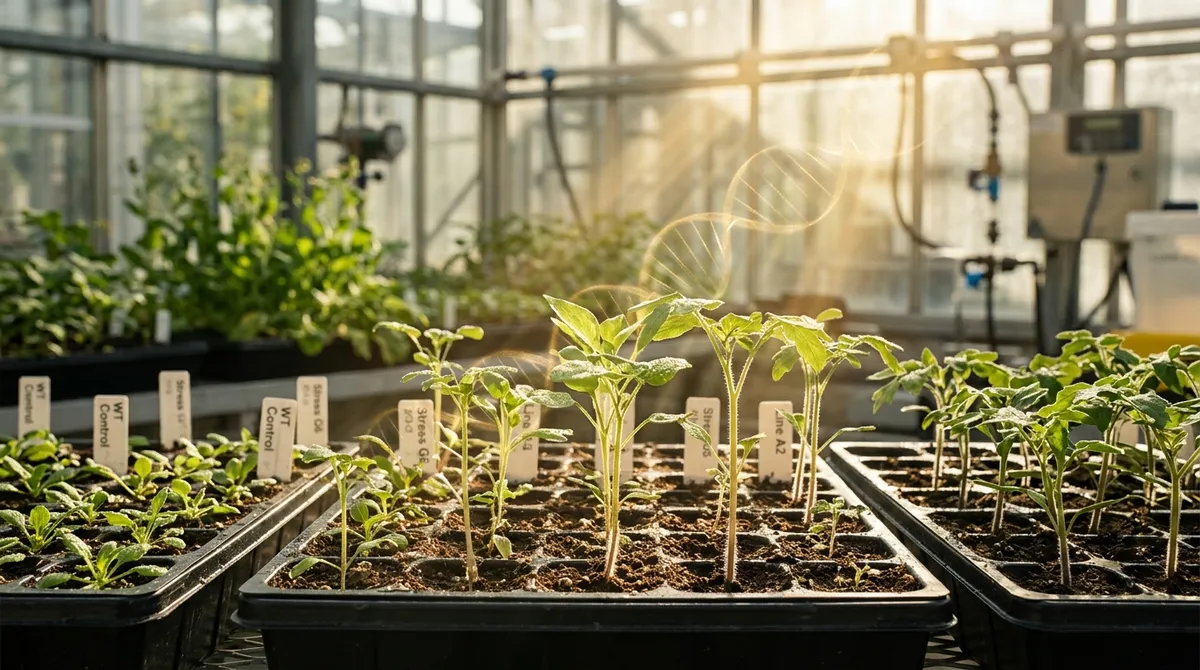
The Plant Paradox: When Life-Giving Light Becomes a Threat
Plants face a fundamental biological paradox every day: the very sunlight that powers their growth also constantly damages their DNA. While this environmental stress could be catastrophic, scientists at the Salk Institute have discovered how plants have evolved a sophisticated defense system to protect their most critical cells.
According to reports, researchers identified a specialized protein called YAF9B that serves as an "extra layer of defense" specifically designed to safeguard plant stem cells from DNA damage. This discovery reveals how plants maintain genome stability despite facing relentless environmental pressures.
An Emergency Response System for Plant DNA
The newly identified YAF9B protein functions like a specialized "emergency responder" that activates only when DNA damage occurs in growth-critical stem cell tissues. According to the research, this protein makes damaged DNA more accessible for high-fidelity repair processes, ensuring that plants can maintain accurate genome integrity in their most important cells.
This targeted approach represents a crucial evolutionary innovation. Rather than deploying broad DNA repair mechanisms throughout the entire plant, YAF9B specifically protects stem cells – the cellular powerhouses responsible for plant growth and development.
Fast vs. Accurate: The DNA Repair Trade-off
The discovery highlights an important distinction in how cells handle DNA damage. According to reports, plants must balance between fast-but-risky repair methods and slow-but-accurate repair processes. The YAF9B protein appears to tip this balance toward accuracy in stem cells, where genetic mistakes could have devastating consequences for the entire plant.
This sophisticated repair system demonstrates how plants have evolved multiple pathways to address DNA damage, with different strategies deployed based on the type of tissue and the severity of the damage.
Implications for Agricultural Biotechnology
The research findings extend far beyond basic plant biology. Scientists believe this discovery could revolutionize CRISPR gene-editing techniques and lead to the development of more resilient crops as climate pressures intensify.
Understanding how plants naturally protect their DNA during repair processes could unlock better methods for introducing beneficial genetic modifications while minimizing unwanted mutations. This knowledge becomes increasingly valuable as agricultural scientists work to develop crops that can withstand extreme weather, drought, and other climate-related stresses.
A Unique Evolutionary Innovation
According to reports, the YAF9B protein represents an evolutionary innovation that plants possess but animals and yeast do not have. This suggests that plants have developed unique solutions to the challenge of maintaining genetic stability while constantly exposed to DNA-damaging environmental factors.
The specialization of this repair system reflects the unique challenges plants face as sessile organisms that cannot escape environmental stresses. Unlike animals that can seek shelter or move to more favorable conditions, plants must endure whatever environmental pressures they encounter.
The Daily Battle Against DNA Damage
Similar to how DNA damage contributes to human diseases such as cancer, genetic damage can disrupt growth, development, and survival in plants. Every day, plants endure environmental stresses including sunlight and other factors that continuously threaten their genetic integrity.
The discovery of YAF9B reveals how plants have evolved to not just survive this constant assault on their DNA, but to thrive despite it. By protecting stem cells with specialized repair mechanisms, plants ensure that their capacity for growth and reproduction remains intact even under challenging conditions.
Looking Forward: From Lab to Field
The identification of YAF9B opens new avenues for both basic research and practical applications. As climate change intensifies environmental stresses on crops worldwide, understanding plants' natural DNA protection strategies could inform the development of more resilient agricultural varieties.
This research demonstrates how fundamental discoveries in plant biology can translate into solutions for real-world challenges, offering hope for sustainable agriculture in an era of increasing environmental uncertainty.